
Caribbeancom 033114572 Maria Ozawa Jav Uncensored Upd ((exclusive))
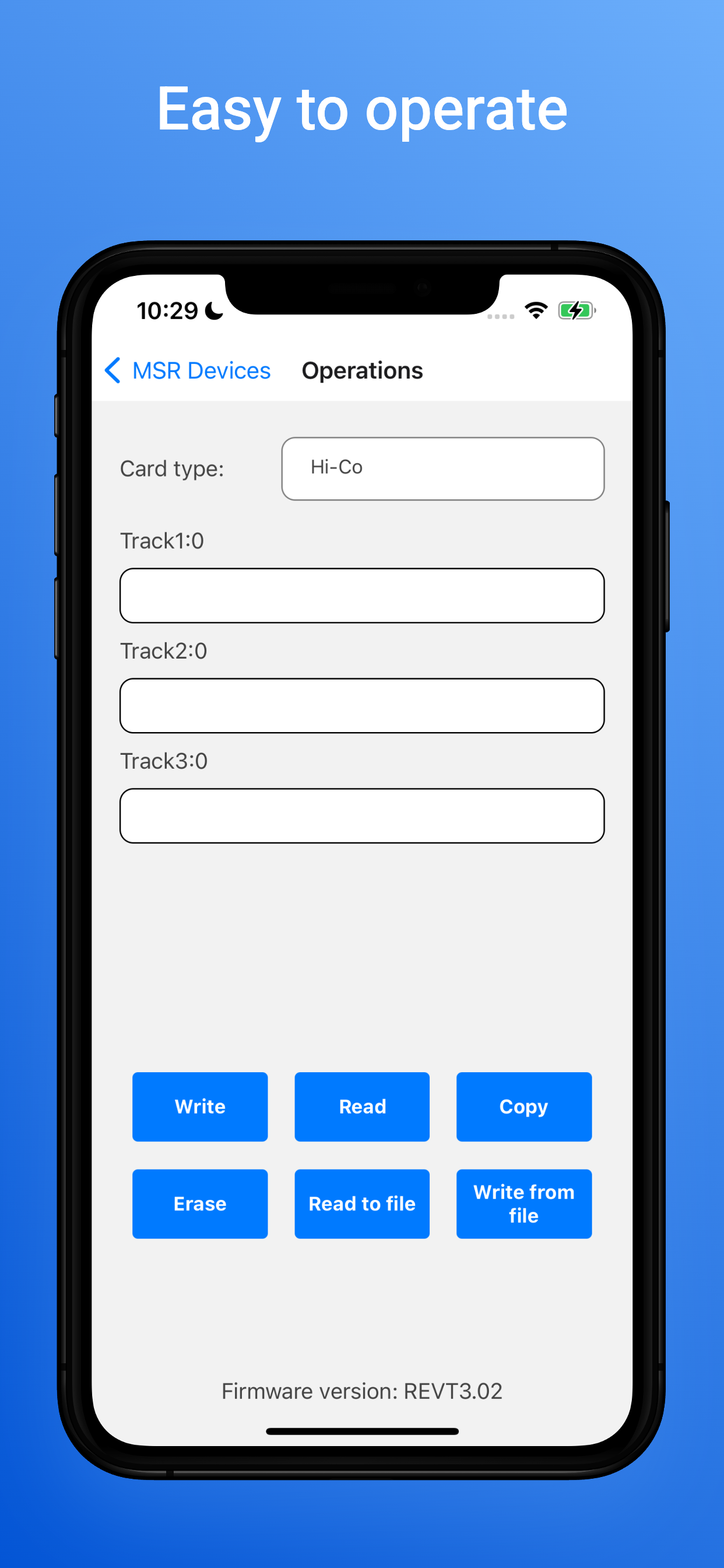
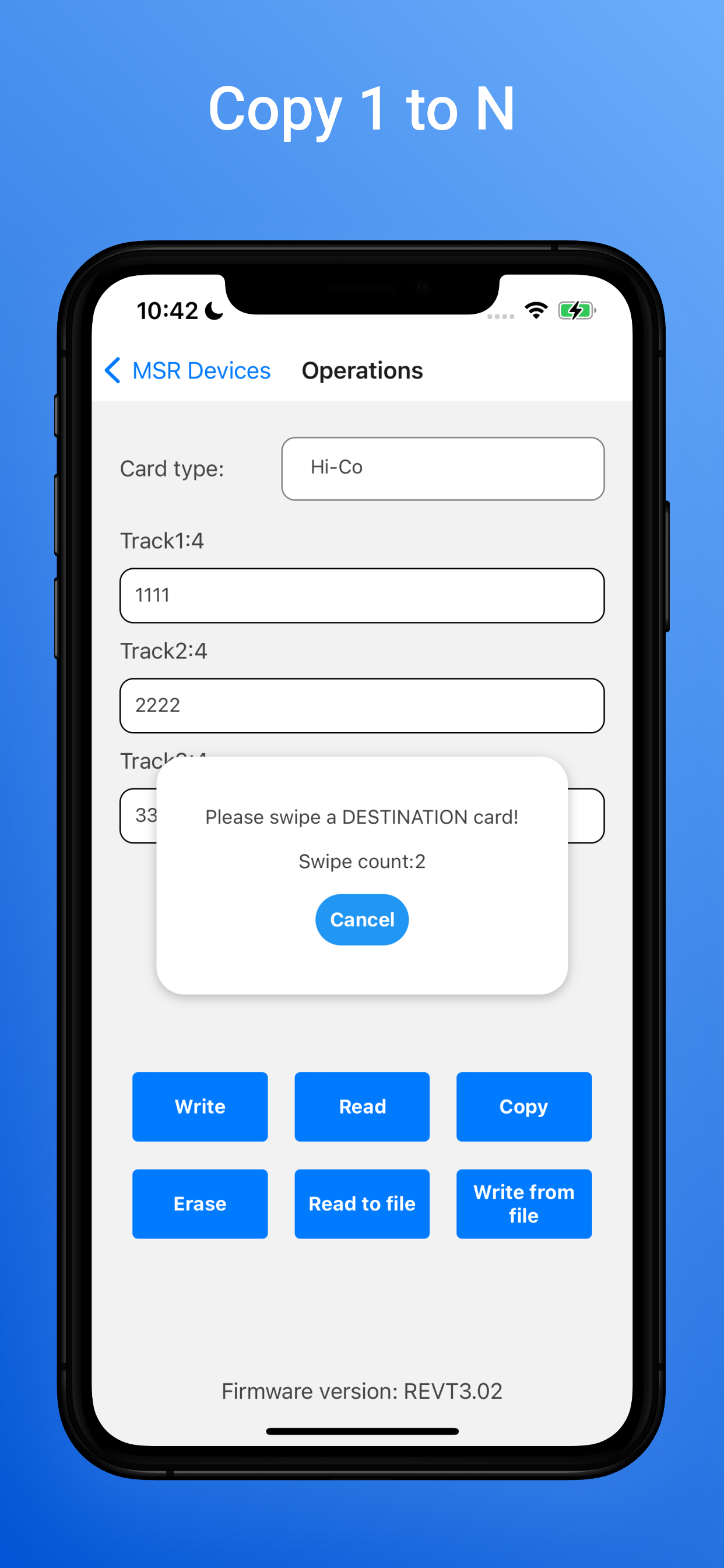
iOS/Android app for MSRX6/MSRX6BT via Bluetooth


iOS/Android app for MSRX6/MSRX6BT via Bluetooth
Android app for MSR605x via USB

Android app for Postech BTMSR via Bluetooth



Furthermore, the content of these mediums often mirrors Japanese spiritual and philosophical duality. Works like Hayao Miyazaki’s Spirited Away or Makoto Shinkai’s Your Name heavily feature Shinto concepts, such as the reverence for nature, the existence of kami (spirits), and the significance of shrines. By blending modern settings with ancient folklore, the industry preserves cultural memory, ensuring that urbanized younger generations remain connected to their pre-modern roots. Thus, entertainment becomes a vessel for cultural transmission, teaching domestic and international audiences alike about the Japanese ethos of harmony ( wa ) and the impermanence of all things ( mujo *).
Ultimately, Japanese entertainment culture celebrates in a way Hollywood cannot. Cherry blossoms fall. Idols graduate (retire) at 25. A TV show ends without a tidy finale. caribbeancom 033114572 maria ozawa jav uncensored upd
Japanese entertainment and culture represent a unique fusion of and high-tech futurism , evolving from a domestic-focused market into a dominant global powerhouse. This review examines how the industry has leveraged "soft power" to export its distinct lifestyle and entertainment values worldwide. The "Cool Japan" Entertainment Ecosystem Furthermore, the content of these mediums often mirrors
Anime and manga are arguably Japan's most successful cultural exports. What began as a local medium has evolved into a multi-billion-dollar global industry. Idols graduate (retire) at 25
The industry currently faces a crossroads. A shrinking, aging population means the domestic market is tightening, forcing companies to look outward. This has led to a surge in collaborations with platforms like Netflix and the global "simulcasting" of anime.
The backbone of Japanese storytelling, manga covers every conceivable genre, from "slice-of-life" dramas to high-stakes "shonen" battles. Its influence on global graphic novels is unparalleled.